
Astragalus seeds, Organic
Astragalus membranaceus
Price range: $5.14 through $63.83
Family: Legume (Fabaceae)
Hardy to zones 4 to 10 (mulch heavily in colder zones)
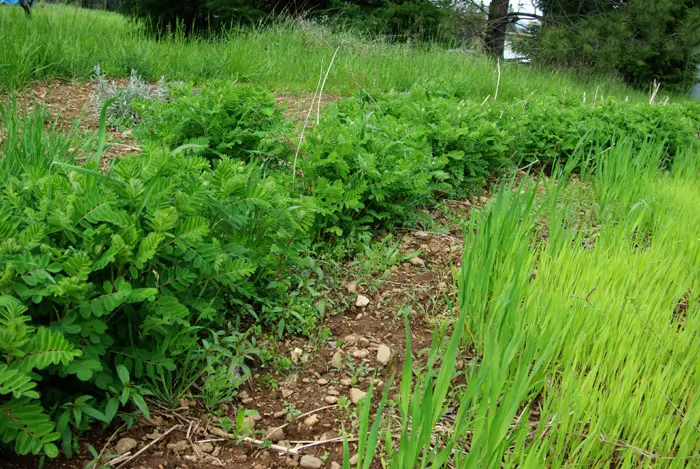
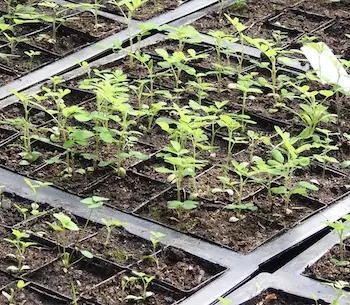
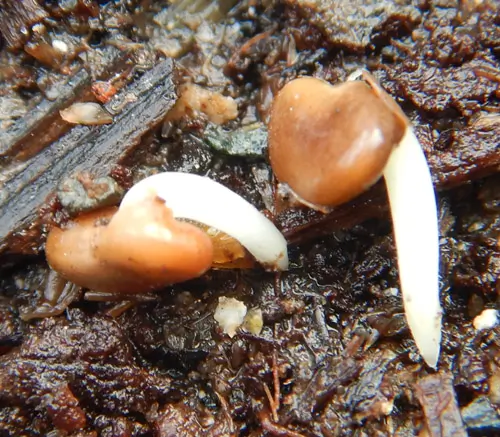
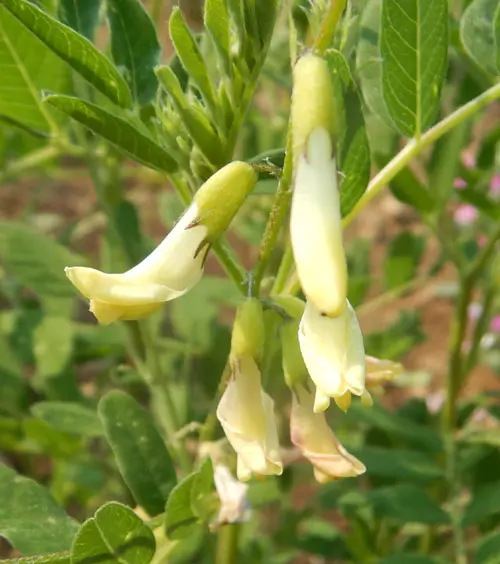
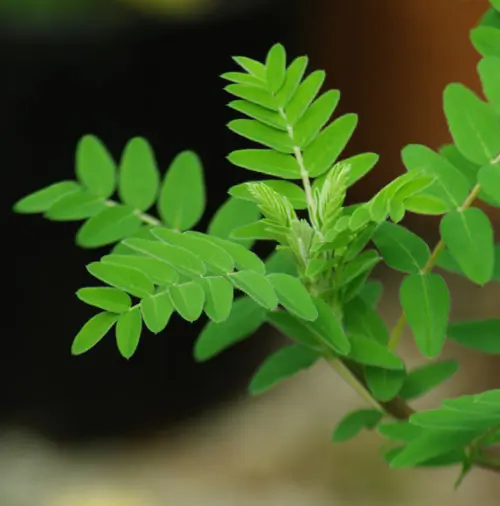
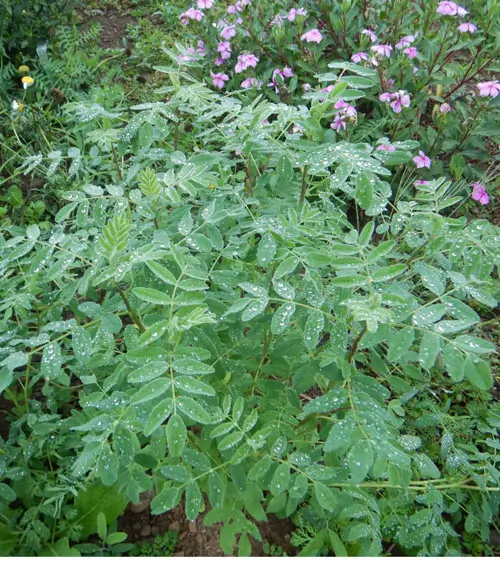
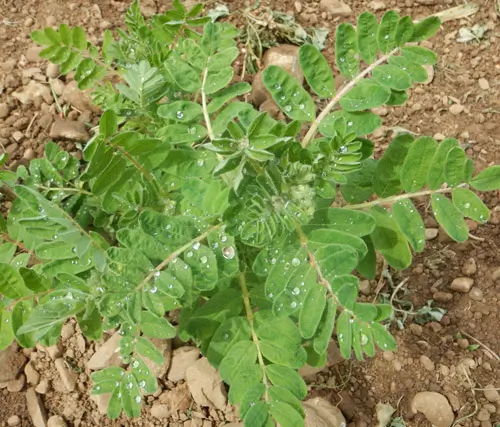
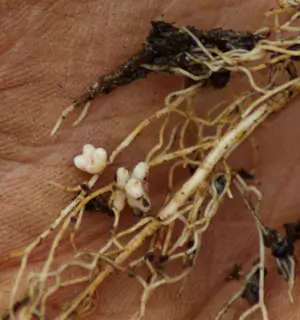
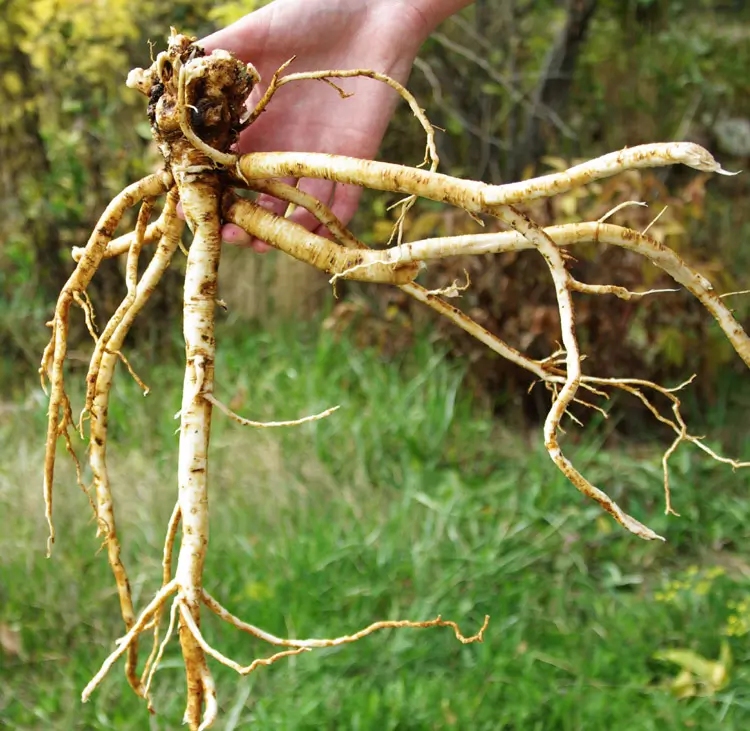
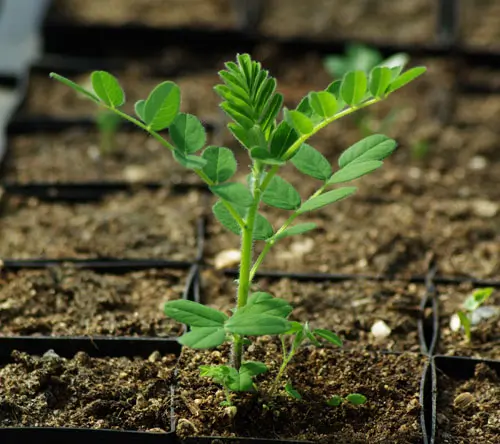
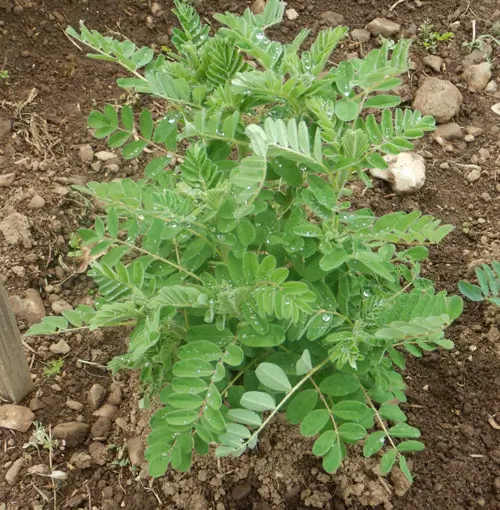
(Astragalus membranaceus = Astragalus propinquus = Astragalus mongholicus, the Chinese herb Huang-qi, Huang qi) Herbaceous perennial native to China. Traditional usage (TCM): increase vital energy and protect against illness. Plants get quite large, flowering to 5 feet, with yellow flowers giving way to pea-like follicles. Plant is a sturdy survivor, and prefers full sun, average soil, and good drainage. A deep, sandy, unobstructed soil will encourage large, deep taproots, which are the part used in TCM. In the spring or fall, scarify seed lightly on medium grit sandpaper and soak overnight. Alternatively, drop seeds in just-boiled water, stir for 60 seconds, then add cold water until the mix is luke warm and soak overnight. Then, inoculate seed with a broadscale rhizobium inoculant that contains Mesorhizobium species of rhizobacteria. Otherwise, inoculate the starting mix with soil taken from around healthy astragalus plants, or plant in an area where astragalus is already growing healthily. All this is to encourage nitrogen fixation. Even simply growing the plant in an area where legumes have been grown in the past (red clover or oats/peas covercrop, for example) will help. Once the plants start to grow healthily, it means they have sequestered the necessary rhizobia from the substrate. Direct seed in early spring or start in pots in the greenhouse, or start in the fall. Germ in 3 to 10 days. Transplant or thin to 6 inches apart.
Packet contains 30 Seeds
1 g contains ~250 seeds
5 g contains ~1,250 seeds
10 g contains ~2,500 seeds
Certified Organically Grown
Shivani Spirit –
I started the seeds with just a light scarifying and they germinated well and I now have some beautiful medicine plants!!! Thank you!! I Love growing the medicines that I use!!
Upvote if this was helpful (2) Downvote if this was not helpful (0) Watch Unwatch Flag for removal
blick002 –
I started these indoors and transplanted into average garden soil, full sun, zone 3. They were slow to take off the first year, being partially shaded by neighboring faster growing seedlings didn’t help. In their second year they really took off – many bloomed and set seed. A beautiful plant. I’ve neglected to mulch them, but they seem to survive just fine with the heavy blanket of snow we get.
Upvote if this was helpful (0) Downvote if this was not helpful (0) Watch Unwatch Flag for removal
Heiderose MacDonald –
Can I grow these in a bed that on a rotation has grown peas and green beans, is this an acceptable way to inoculate? Or, alternatively, can I dig up some forest soil and add that?
Upvote if this was helpful (0) Downvote if this was not helpful (0) Flag for removal
Richo Cech –
Hello Heiderose, Thanks for staying in touch. You’re thinking in the right direction and you also reminded me that I need to plant more Astragalus seeds myself today. I’ll do that presently. Meanwhile, I think your idea about growing this legume in soils that have previously harbored legumes is the best idea. It helps surprisingly much. Not really about forest soils, this one. You can find out more about all this in “Growing Plabnt Medicine Vol 2” which has the legume family and the astragalus monograph. But actually it seems you’re going in exactly the right direction, richo
Upvote if this was helpful (0) Downvote if this was not helpful (0) Flag for removal