
Gotu Kola seeds, Organic
Centella asiatica
packet of 30 seeds
$7.74
In stock
Family: Carrot (Apiaceae)
Hardy to Zones 8 to 12, otherwise grown as a potted plant or summer annual, 90 days to harvest
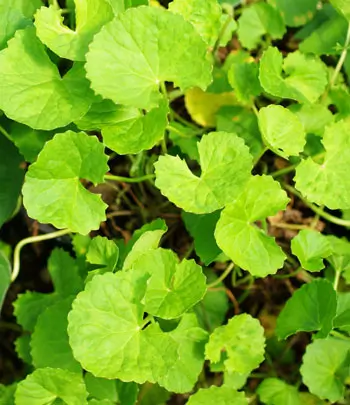
(Indian Pennywort, Gotu Kola, Gota Kola, Brahmi, Hydrocotyl asiatica) Creeping perennial native to the tropics of the world, especially Hawaii, India, Tropical America, Southeast Asia and Africa. Etymology: Gotu Kola is Sri Lankan for “cup-shaped leaf.” Hydro = water, cotyle = cup-shaped. Cent = 1/100 of a dollar. So, “hydrocotyl”: refers back to the common name (water-cup) and centella refers back to the pennywort grouping. “Asiatica” refers to the Asian origin, even though the plant is pan-tropical. I have personally experienced two different ecotypes: the Hawaiian/African/Indian ecotype with larger, heavily-scalloped leaves that are lobed at the base and the Asian ecotype that has smaller leaves, rounder and not as plump, with less pronounced scallops. We have found the Asian type to be disease resistant and more vigorous and therefore somewhat easier to grow than the Hawaiian type. Traditional usage (Ayurveda): one of the Rasayana, said to increase mental clarity and impart long life. Used to treat ulcerations both internal and external, improve digestion and fight amoebic dysentery. Regular use imparts healthy color and tone to skin, treats eczema, psoriasis and rheumatism. Speeds healthy growth of hair, skin and nails. The young leaves are tasty in salads and may also be used in smoothies. The leaves are often juiced, the juice mixed with water and sugar to make a refreshing and cooling drink.
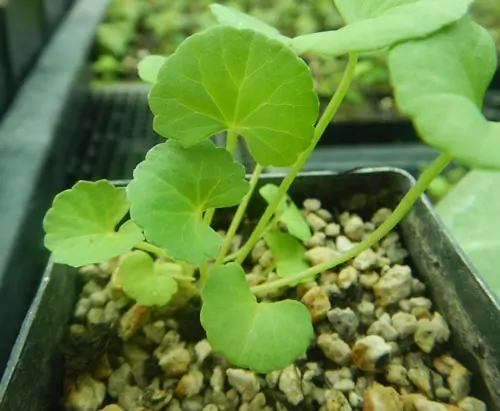
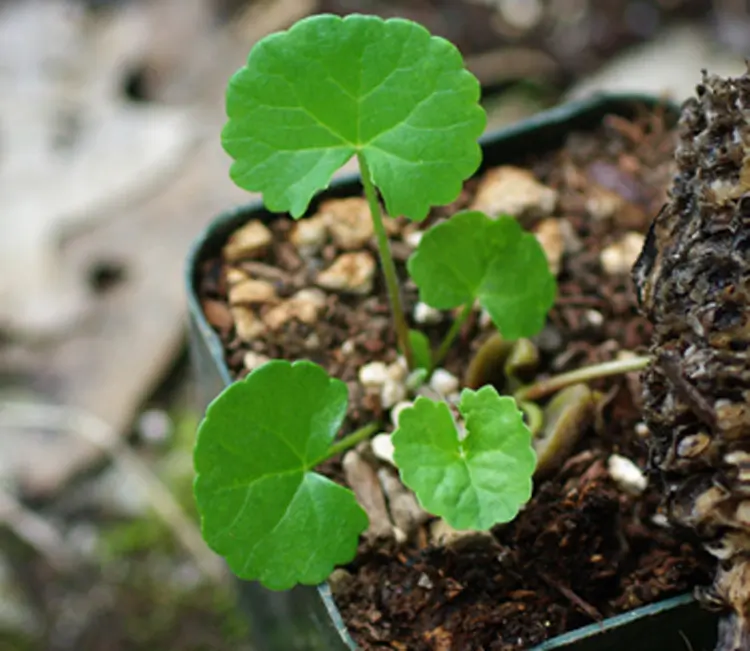
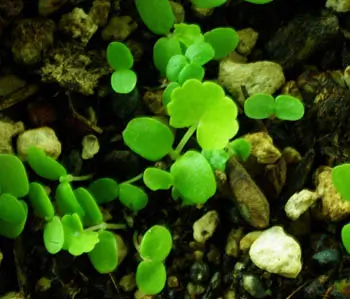
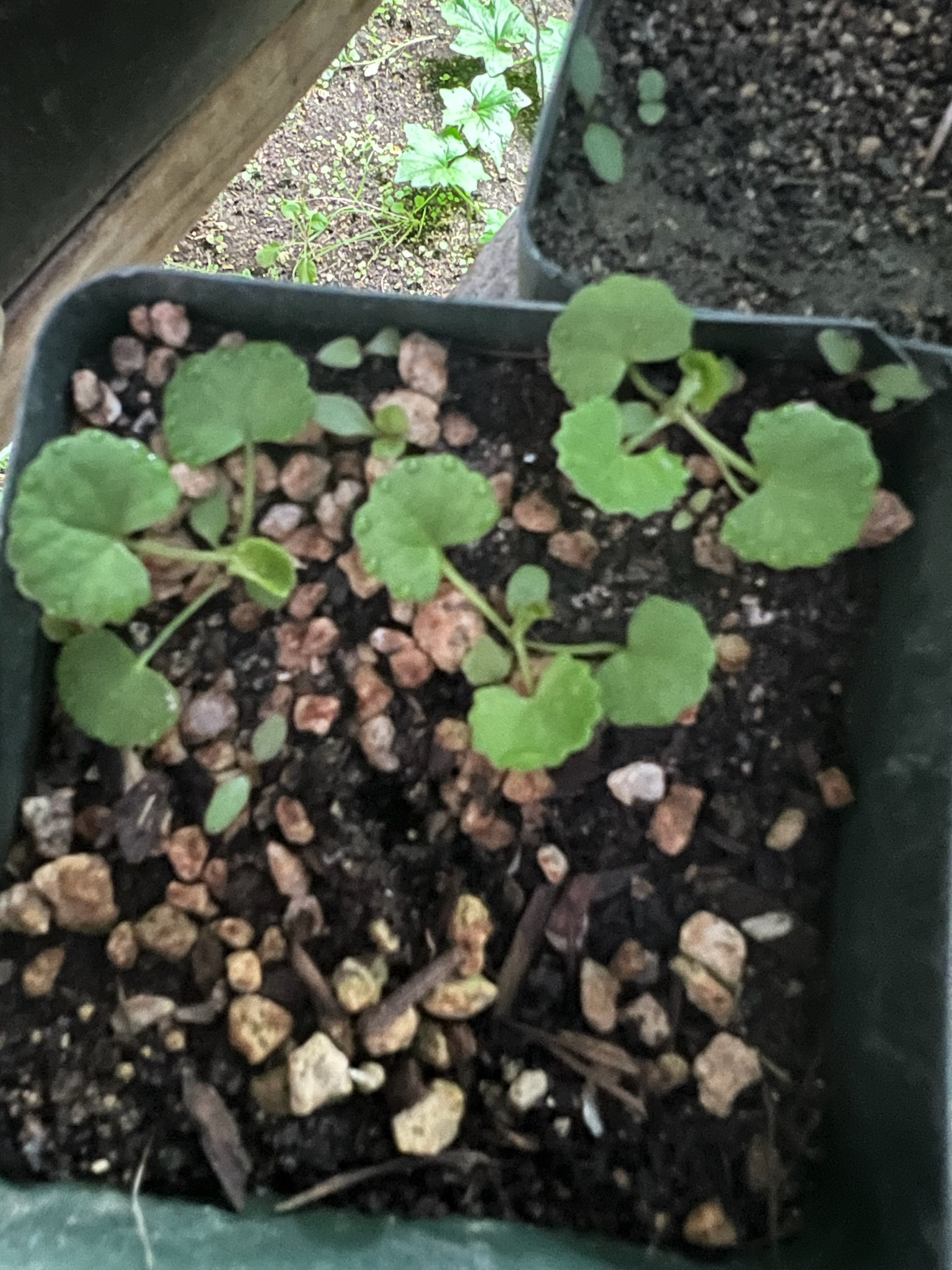
Growing from seeds: Plant seeds in greenhouse conditions in very excellently drained soil, just pressed into the surface of the soil and water occasionally. One of my tricks is to then cover the planting with 1/8 inch of white pumice and allow the seedlings to germinate up through that. Seems to help. The planting done in winter of 2024 was done in this manner, the flat left 18 inches below a grow light and kept at a minimum of 60 degrees F. Rampant germination on day 19. In standard culture, the seeds will probably germinate in 30 to 90 days. Unless planted under grow lights, seed sown in the unheated greenhouse in the fall may not germinate until spring. Work seedlings up in pots and transplant to the field when the soil has really warmed up.
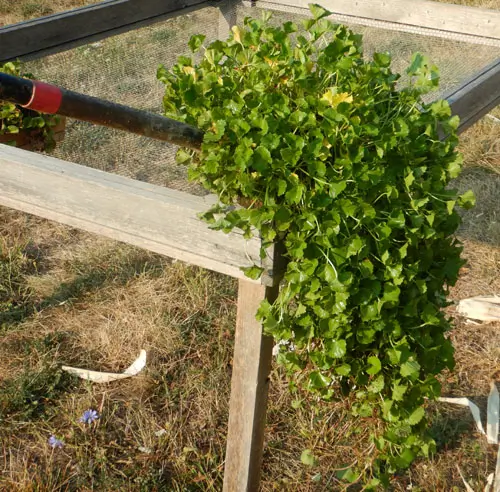
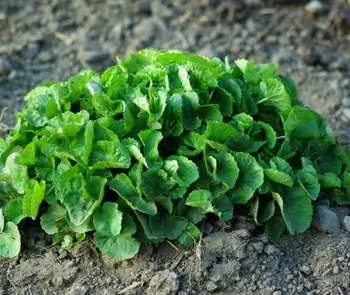
Plant prefers warm sun and rich, fertile soil or fast-draining soil, appreciating side-dressing with compost or regular applications of liquid fertilizer (fish emulsion, kelp tea, comfrey tea, compost tea). Water frequently. Space plants 2 feet apart–they spread! Field-grown gotu kola can get quite large, yielding several pounds per plant. I have included a photo of one plant harvested midseason here in Oregon. The plant is on a sorting screen, with a full-sized shovel underneath it (red band on the handle). This will give you an idea of how effective it is to grow the plant in standard field or garden context.
30 seeds/pkt., Certified Organically Grown
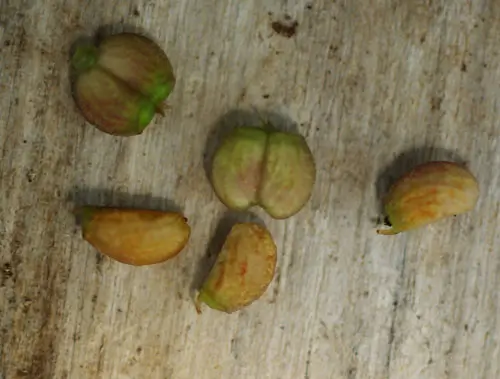
Please note: Gotu Kola seeds are often paired. Paired seeds count for 2.
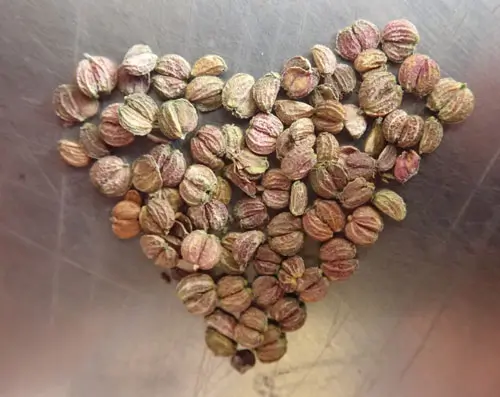
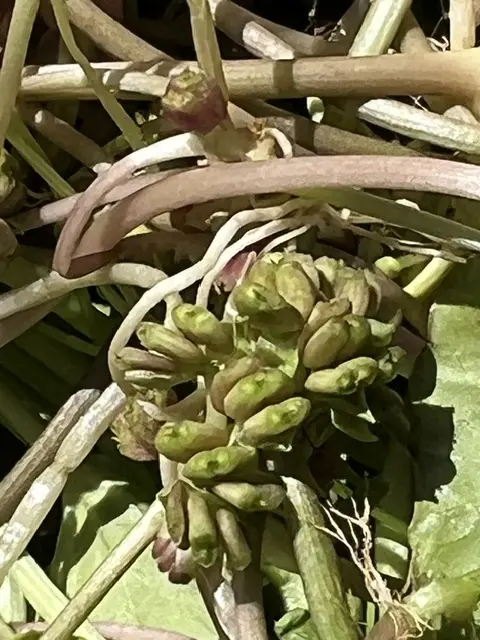
PS, a bit more. Information found on the web regarding Gotu Kola is full of hearsay, bibliographic echo and error. The CABI invasive species compendium, in cooperation with USDA, shows a primary photo that is not Centella asiatica (the plant does not make white flowers that hover up over the leaves!) The growing conditions are listed by many sources as “swampy” which is inaccurate. Actually, the plant does best in places where excellent drainage is combined with frequent watering, and may easily rot and disappear in overly wet environs. The primary plant will make a long taproot, appearing like a thin carrot, and will send out horizontal rhizomes that root in at the nodes. These axillary plants will send nutrients back to the mother plant, and may also be removed by the gardener and replanted at a distance (they are clones). Flowers are normally reddish and occur at the very base of the plant and eventually at every node that becomes sufficiently mature. The flowers give way to the seeds, really 2 seeds joined in a disk, which break apart at absolute ripeness. The seeds are longitudinally ridged, which helps differentiate them from seed of look-alikes, such as other pennywort species. Gotu Kola is a pioneer plant in the tropics that covers ground laid bare by fire, construction, etc. Gotu Kola grows luxuriously in ditches in India, and the story goes that in the early days, when herbalists imported Gotu Kola from India, one of the shipments contained a hubcap! Nowadays we assure a clean product by growing our own. RAC
Rebecca (verified buyer) –
I live in western Maine, zone 5. I purchased Gotu kola seeds from you in 2021. I was able to get 6 or 7 to germinate, planted them out, and had a wonderful success! I dug up a few of the ‘babies” in the fall, brought them inside for the winter and planted them back out the following spring. To my surprise around early July I started to see what looked like little baby gotu kola’s growing. These were sprouting right out of the ground, not runners, AND they were growing about 15 feet away from where I had transplanted my overwintered plants. That fall, I failed to dig up any “babies” in time to bring in for the winter. But sure enough, the next July I had little baby plants growing all around the area where the gotu kola had been growing the previous year. Fast forward to the next summer and I actually found a gotu kola growing about 75 feet away in a raised bed – no where near the original plants. My guess is these are just seeds that are overwintering and it takes until the heat of July for them to germinate here in Maine, BUT it’s great to know that I no longer have to sow seeds each year as I have had a bounty of gotu kola year over year from that original packet of seeds!!
Upvote if this was helpful (3) Downvote if this was not helpful (0) Watch Unwatch Flag for removal
LILA MCCLELLAN (verified buyer) –
re: growing conditions, does gota kola like hot intense sun and heat or cooler climates and part shade?
Upvote if this was helpful (0) Downvote if this was not helpful (0) Watch Unwatch Flag for removal
Richo Cech –
hi lila, thanks for writing. gotu kola likes full sun and a moist, nutrient-dense soil. it can be grown in the summer garden much as you would a cucumber. richo
Upvote if this was helpful (2) Downvote if this was not helpful (0) Flag for removal
morph.brick –
A fast-draining soil and regular watering is a hassle. Does hydroponics work for pennywort? Any good suggestions for easier cultivation management will be appreciated.
Upvote if this was helpful (0) Downvote if this was not helpful (0) Watch Unwatch Flag for removal
Richo Cech –
hi morph, not sure about hydroponics and gotu kola. definitely worth a try. richo
Upvote if this was helpful (0) Downvote if this was not helpful (0) Flag for removal
Julie (verified buyer) –
I’m a Vermont gardener (zone 5) and love growing Gotu Kola. I started the seed 2 years ago and have been growing it as a beautiful houseplant. It was outgrowing its pot, so this spring I decided to move it outside for the summer. I tucked it into the edge of a raised bed and with the rainy summer we’ve had, it took off. I’ll bring it back indoors for the winter and suspect I’ll have many babies to give away.
Upvote if this was helpful (2) Downvote if this was not helpful (0) Watch Unwatch Flag for removal
Richo Cech –
yup, this is the way to do it!
Upvote if this was helpful (3) Downvote if this was not helpful (0) Flag for removal
Femmaeve –
Omg! I’m in VT! Can I get some gotu kola babies from you?
Upvote if this was helpful (1) Downvote if this was not helpful (0) Flag for removal
Richo Cech –
We have some options for you. Growers in vermont can grow gotu kola outdoors in the summer garden, so you can buy plants and we’ll ship them to you in the spring. Or you can plant the seeds–this year was really a good one on gotu kola. Or if you can’t wait for these things, there is still organic gotu kola dried herb left although I would hurry on that, it is selling out fast. richo
Upvote if this was helpful (0) Downvote if this was not helpful (0) Flag for removal
Jay Narayan –
I recently bought gout kola seeds (Centella Asiatica) the seeds that I received shows as hydrocotyl asiatica – is it the same?
Upvote if this was helpful (0) Downvote if this was not helpful (0) Flag for removal
Richo Cech –
Hello Jay, It is the same. Hydrocotyl = centella. Richo
Upvote if this was helpful (0) Downvote if this was not helpful (0) Flag for removal
Lagoon sister (verified buyer) –
Hello! I am from South Korea (Jeju island to be exact lol) and I received my gotu kola seeds yesterday! (They arrived faster than I expected 🥲) it’s about 13 Degrees Celsius in the daytime (55 Degrees Fahrenheit) and it is my first time planting gotu kola so I am very excited and nervous 🥲 i just have to space out the seeds in the pot and wait for it to germinate right?
Upvote if this was helpful (1) Downvote if this was not helpful (0) Flag for removal
Richo Cech –
hi, that is a bit cool, put the pot in the sun during the day and water a bit more frequently to keep it from drying out. we had excellent gotu kola seeds this year, they will work. r
Upvote if this was helpful (1) Downvote if this was not helpful (0) Flag for removal
christopheburrell –
You said you can ship the plant? How much would that cost .. to Massachusetts? thx.
Upvote if this was helpful (0) Downvote if this was not helpful (0) Flag for removal
Richo Cech –
greetings! a bit confused since this comment is left on our seed offering. Seeds are available from new crop and ship free of charge if $10.00 worth of packets are ordered. Plants cost priority mail postage to ship–you can review costs before finalization–the charges will depend on number of plants ordered. r
Upvote if this was helpful (0) Downvote if this was not helpful (0) Flag for removal
JOHNTHIIRU –
I would love some centella asiatica seeds for planting here in kenya my home. 😉
Upvote if this was helpful (1) Downvote if this was not helpful (0) Watch Unwatch Flag for removal
Admin Richo Cech –
You can order them online at strictlymedicinalseeds.com. I may be talking myself out of an order here, but in my experience in the highlands of kenya, gotu kola grows in great abundance. you would need to know how to recognize it. Inapatikana bwana, ukitafuta utapata! Riko
Upvote if this was helpful (1) Downvote if this was not helpful (1) Flag for removal