
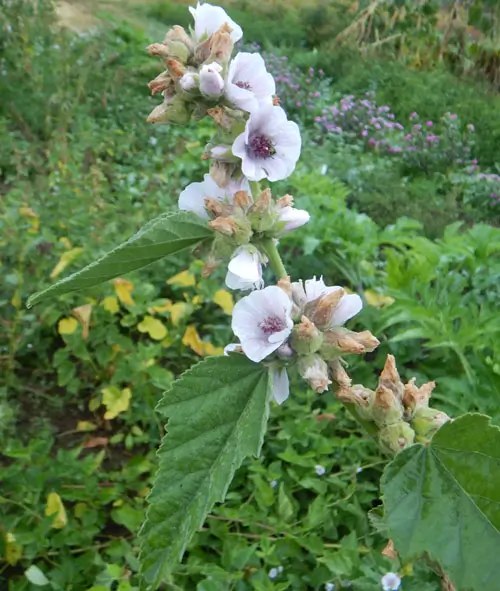
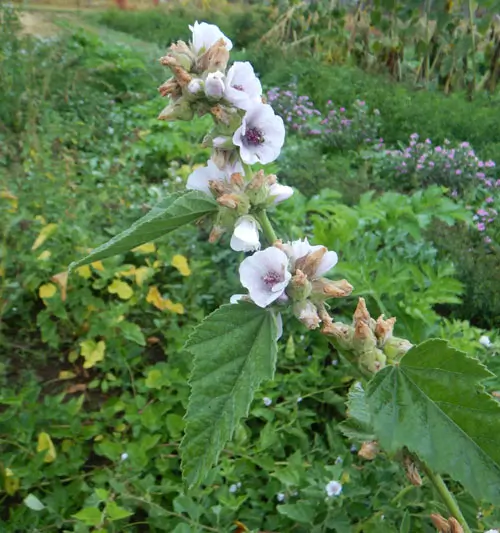
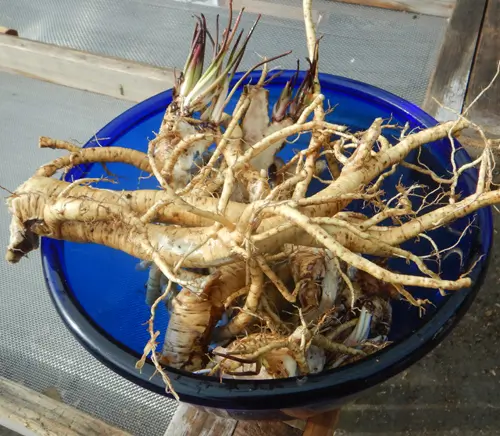
Marshmallow seeds, Organic
Althaea officinalis
Price range: $5.14 through $57.33
Family: Mallow (Malvaceae)
Hardy to Zones 3 to 9
Herbaceous perennial native to Europe, flowering to 4 feet tall. The root is a nutritious food. Traditional usage (TWM): digestive, immune stimulant, ulcers. Plant prefers moist garden soil in the full sun or part shade. The plant likes regular watering and makes a lot of biomass, both above the ground and below. Sow in spring by scarifying seed on medium grit sandpaper, strewing on surface, barely covering with soil, tamping securely, and keeping evenly moist and warm until germination, which occurs in 1 to 2 weeks. Work seedlings up in pots or sow directly in garden. Thin or transplant to 2 feet apart.
Packet contains 100 seeds
1 g contains ~300 seeds
5 g contains ~1,500 seeds
10 g contains ~3,000 seeds
Certified Organically Grown
Alex Stone –
Hi Richo, thank you and everyone at SMS for wonderful plants and seeds! Im wondering about smaller scale equipment for shredding marshmallow and other roots, rather than chopping. Seems like shredding generates a product that would release more constituents than chopping (and mechanizing the process of making root pieces smaller/faster drying/more extractable would be very helpful). Thank you!
Upvote if this was helpful (0) Downvote if this was not helpful (0) Watch Unwatch Flag for removal
Richo Cech –
Hi Alex,
Thanks for contacting! There are a couple of potential directions for this and i do know what you mean about making more cell structure available for tea use. There is something called a Corona Mill that works for this. You want to smash and shred the roots without juicing them, and the corona mill set with plates far apart does do that. An apple eater (apple crusher) is another tool that may work well, as it is designed to smash without juicing. We use an apple crusher here quite frequently for processing fresh peppers to dry echinacea heads–breaking apart without damaging seeds. A hammer mill will destroy the roots for sure but they get pretty gloppy with that machine. If the roots are bound for extraction, then wash, cut in large pieces, put in Commercial Waring Blender with menstruum and whip up. This is really a big subject and as with all things herbal can be species-specific in terms of how to work it. Richo
Upvote if this was helpful (7) Downvote if this was not helpful (0) Flag for removal
Alycia Skousen –
Planted seeds in greenhouse back in 2020. Plants come back every year in zone 5. Beautiful dark green leaves and pink flowers. So far I’ve used only in salads. Delicious!
Upvote if this was helpful (4) Downvote if this was not helpful (0) Watch Unwatch Flag for removal
rugosaswan (verified buyer) –
Do these seeds need to be cold stratified? Also, how many weeks before the last frost do you recommend starting these if you are starting them indoors?
Thank you!
Upvote if this was helpful (0) Downvote if this was not helpful (0) Flag for removal
Richo Cech –
hello rugoswan, thanks for writing! Marshmallow is a standard warm soil germinator. It does like to be rubbed on sandpaper to increase germ rate but doesn’t need cold stratification. These are herbaceous perennials that are not picky about starting time. One good approach is to start indoors 6 weeks before the last frost. richo
Upvote if this was helpful (0) Downvote if this was not helpful (0) Flag for removal
Adam Binder –
The seeds germinated earlier than the package stated.
Upvote if this was helpful (2) Downvote if this was not helpful (0) Watch Unwatch Flag for removal
Deanna Deason –
Love that the bees love it, doing good for the environment
Upvote if this was helpful (3) Downvote if this was not helpful (0) Watch Unwatch Flag for removal
Christine Chandler –
Would this plant do well in lightly wooded are near a stream? Thanks.
Upvote if this was helpful (0) Downvote if this was not helpful (0) Flag for removal
Richo Cech –
yes
Upvote if this was helpful (0) Downvote if this was not helpful (0) Flag for removal